Beautiful Handcrafted Puppets And Hidden Political Codes
When you think of puppets, you may likely be reminded of an easy-going green frog from your childhood. Or maybe what pops into your mind is a tomato-red creature with a squeaky, high-pitched laugh à la Sesame Street. Funny, irreverent, aimed at kids, but with a hint of adult laughter too. Less likely, you may have thought of political, revolutionary wooden figures who said what others were afraid to say. Who used humour as a way to express radical thought and blur the concepts of theatre and protest. Indeed, puppets have a rich history, from satire to childhood entertainment, and then back to hard-hitting political commentry. Here is a little account and celebration of the art of puppets, so find out more here in Beautiful Handcrafted Puppets and Hidden Political Codes.
Puppet Theatre
With their unmistakable colourful exteriors, loud personalities, and exaggerated movements, we know that puppets are figures that delight people all over the world. Puppets have played the roles of entertainers and comedians, but paradoxically, have also served as loud and unabashed political figures.
Puppet Characters
Puppets are wooden, fabric, or papier-mache characters that puppeteers can slip over their hands or jump around with a string. These puppets could get away with saying outrageous things a human political commentator couldn’t because of the separation between humans and their puppets. After all, it’s a lot harder to sue an inanimate object for defamation or emotional distress. Puppets could convey stories, tongue-in-cheek, with a provocation that humans simply couldn’t express without getting into trouble.
Puppet Show History
These seemingly harmless objects have been active storytellers for centuries and in distant lands. Puppet shows were put on as early as the 5th century BC in Greece. Chinese entertainers used shadow puppets nearly 2,000 years ago.
Mr Punch Puppet
In the UK, travelling British puppet shows appeared around the 14th-century and became a staple in theatre entertainment. For example, Italian puppeteers performed in England, introducing the character Pulcinello, shortened to Mr Punch. This violent character became a controversial sensation in the early 1700’s.

Image Mr Punch, by Weymouth professor Guy Higgins
Traveling Shows
The Punch character had a distinct beak-like nose, a hunchback, and a strange, squeaky voice created by putting a reed in the back of one’s mouth. Sets were sold for puppeteers called “Punch men” to put on their own Mr Punch shows. They travelled around the UK, often popping up at seaside towns as a form of entertainment for children.
Puppet Show for Kids
No matter the puppeteer, Mr Punch still represented the subversive common man fighting against all aspects of authority and conformity. His adversaries included the police, kings, landlords, and God. He personified the collective anger British people felt towards those in control; he was angry, vindictive, and sinful, and viewers loved to cheer for him and validate each other’s grievances.
Political Puppetry
But, did you know that puppets were a popular part of communist propaganda? After WWI, Communist party members used puppet plays as outreach to spread their message throughout Europe. During the Russian Revolution, performers used the puppet, Petroushka, to represent a working-class trickster who mocked authority and embodied the rebels’ spirit.
Moving over to the Czech Republic, formerly Czechoslovakia, Spejbl was a puppet that rebelled against the political agenda. When the Austrian-Hungarian Empire banned the Czech language, puppets went on to recite anti-fascist prose in secret underground basements.
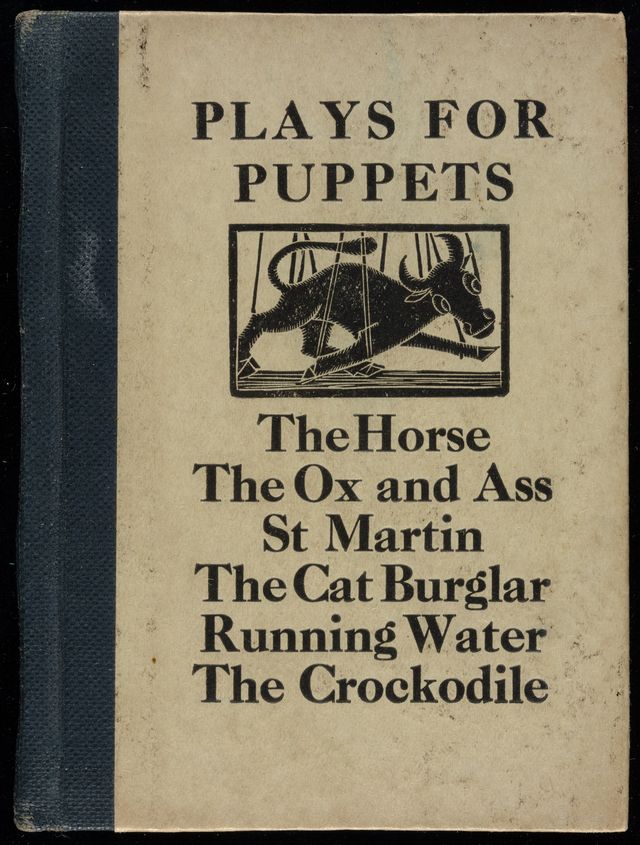
Image by Mark Heathcote
Satirical Comedy
Audiences lined up to hear what the “puppet” had to say, sharing secretive laughs at political digs. So even while the puppeteers had full control over their puppets, curiously, it was the puppets who were the ones truly in power.
At their core, dark humour and satire were central in puppeteer critique. Puppets were made as exaggerated caricatures of politicians and public figures. Their playful, embellished movements and features became a mockery of the institutions that oppressed them.
Childrens Entertainment
This history of humour-based messaging and entertainment transferred well towards children’s media. With the advent of television, families all over the world were able to laugh along with the same puppets. British marionettes like Muffin the Mule, and glove puppets like Sooty and Sweep dominated the children’s genre in the 1950s.
Sesame Street
In America, Sesame Street debuted in 1969 with a splash, with an innovative theme of diversity set in an urban neighbourhood mirroring New York City. The first of its kind, the show used puppetry as a way to create engaging educational content. Low-income children were able to learn academic skills, as well as problem-solving and socialisation.

Image by George Bush Presidential Library and Museum
The Muppet Show
The Muppet Show expanded the genre to a global audience using a vaudeville-style family show. The program introduced iconic characters such as Kermit the Frog and Miss Piggy, which captured the hearts and minds of people all over the world. Its slapstick, sketch-comedy was entertaining for adults and children alike, bridging the two distinct audiences of puppetry from 1976 onwards.
Even while puppets geared towards child-friendly content, there was always an edge of disobedience: a multicultural cast that rivalled the cookie-cutter attitude of the 1960s, or hidden crude jokes that flew over kids’ minds. People now see puppetry as lighthearted children’s entertainment, but artists still use it as an accessible, unpretentious platform for social commentary.
Spitting Image
You might remember former British Prime Minister John Major as a massive lover of having peas for dinner. While he may have had a secret affinity toward the vegetable, this image was actually entirely crafted by a famous sketch from the 80s British show, Spitting Image.
The program returned to the satirical, political puppet tradition akin to Punch men. The show portrayed British politicians, such as Margaret Thatcher, as caricatures that altered the public’s perception of the real people. Once again, puppetry moved away from family entertainment back to dark humour, satirical commentary on politics boldly and shamelessly.

Image by Richard Croft of Margaret Thatcher / CC BY-SA 2.0
Ditchling Museum of Art + Craft
This artform is now being celebrated. The Ditchling Museum of Art + Craft aims to honour puppeteers as craftsmen and artists. In a new exhibit called “Strings Attached: The Art of Puppetry in Ditchling,” the museum aims to showcase the works of the Guild of St Joseph and St Dominic. The guild was a Roman Catholic commune of artists and craftsmen. Stories from Hilary Pepler, an English theorist and writer, will be performed. The exhibit will also show wooden puppets created by Joseph Cribb, who worked as a sculptor and carver.

Photo by Roberta Ashley
Pepler was involved with the Distributist movement after the First World War, advocating for the protection of small independent producers. He found a love for theatre and writing, and his views often emerged in his works. Cribb, who created the wood puppets, was a skilled sculptor who put skill and artistry into every puppet he made.
The exhibit, which will be open from March 28 through September 27. It will acknowledge the handiwork behind puppet shows: from the minds that shape these hilarious and subversive stories, to the artists who bring these puppets to life with craft and care.
Soon, we will be able to enjoy pieces of British puppet history, including an interactive piece by artist Abbie Stanton. Visitors will be able to learn the art of marionette-making. So, you too could create your own puppets and keep the endangered tradition alive.
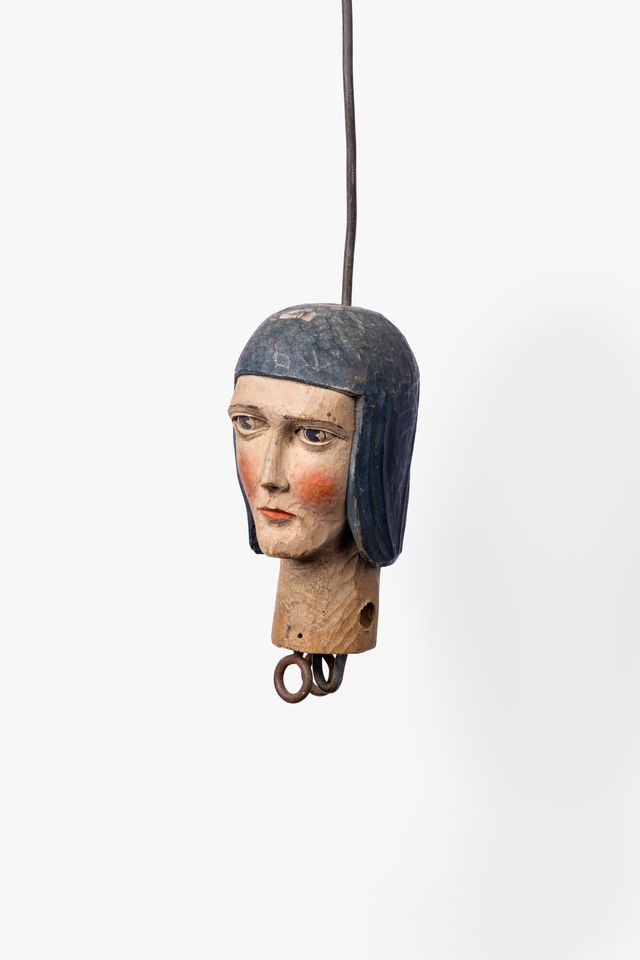
Photo by Roberta Ashley
So, the next time you watch a Dr. Seuss show, or read the story of Pinocchio, remember that puppets are more than colourful, silly fun. For some, puppets have been a mask to put on to distance themselves from their views and opinions. Throughout history, puppets have been the characters that have spoken for them, even when it was discouraged or punishable.
Puppets on their own are simply just dolls, pieces of wood or fabric with no existence other than the one their masters give them. And yet, it’s incredible how their legacy remains, with a fascinating life of entertainment, politics, subversion, comedy, and very often, a teetering between all four.
If you enjoyed reading Beautiful Handcrafted Puppets And Hidden Political Codes, why not try: January is Enveloped With Fashionable Layers We Love
.Cent Magazine, London. Luxury Mindset
Follow us: