Perfume Trade History: How the Silk Road Scented the World
Perfume Trade History: How the Silk Road Scented the World. Before it was a glass bottle on a vanity, perfume trade history was a dusty, dangerous journey across thousands of miles of desert and sea. Find out more in Perfume Trade History: How the Silk Road Scented the World
Before it was a glass bottle on a vanity, perfume was a dusty, dangerous journey across thousands of miles of desert and sea. Imagine standing in a 9th-century bazaar in Samarkand: the air is thick not just with the smell of livestock and sweat, but with the intoxicating, heavy sweetness of Persian rosewater and the earthy punch of Himalayan musk. These weren’t just luxuries; they were the invisible threads of the Silk Road. As merchants traded silk and spices, they also exchanged the ‘liquid gold’ of the East, forever changing the chemistry of the West and turning fragrance into the world’s first truly global obsession.

The Alchemists of the East and the Mastery of the Still
To understand how the perfume trade conquered the world, we have to look toward the Golden Age of Islam. While Medieval Europe was largely using “dry” perfumes, crushed herbs and oils that turned rancid quickly, scholars and physicians in the Middle East were unlocking a secret that would revolutionise the industry: the capture of a flower’s soul.
The Science of “Liquid Gold”
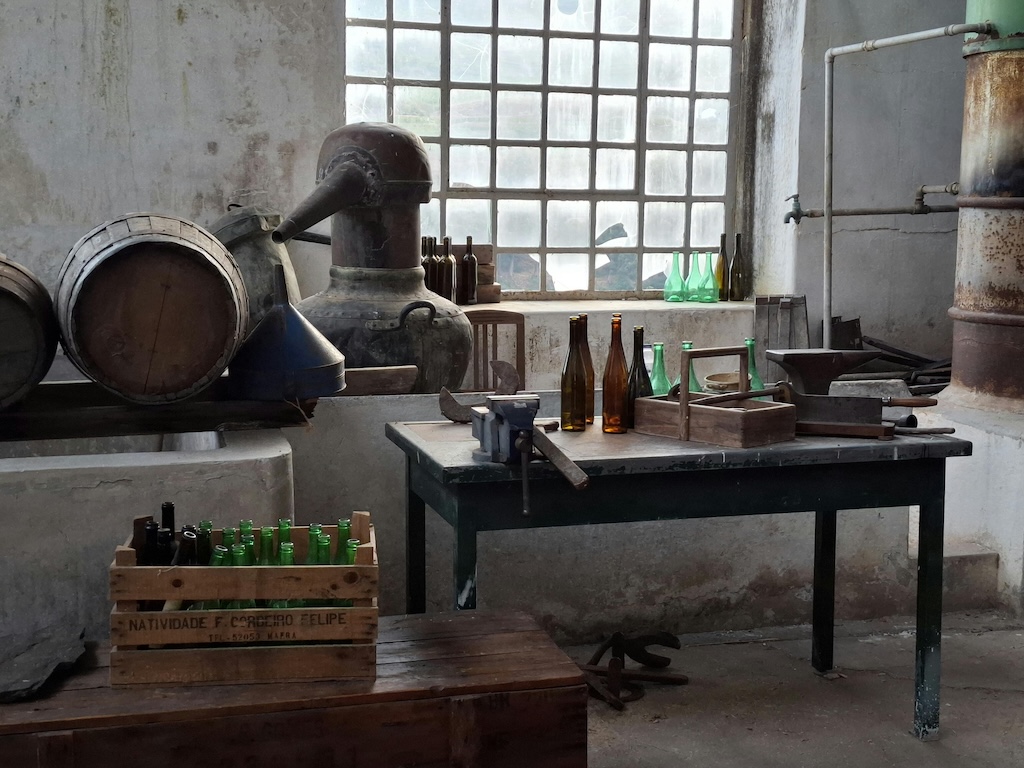
Around the 10th century, the legendary Persian polymath Avicenna (Ibn Sina) refined the process of steam distillation. By using a cooling coil, he figured out how to extract the essential oils of flowers without destroying their delicate scent with high, direct heat.
His first success? The Damask Rose.
Before this, rosewater was a heavy, oily extract. After Avicenna, it became a clear, potent, and highly stable liquid. This wasn’t just a scientific breakthrough; it was a logistical game-changer.
- Portability: Pure essential oils were highly concentrated, meaning a merchant could carry the scent of ten thousand roses in a single small ceramic vial.
- Shelf-Life: Unlike fat-based ointments, distilled alcohols and waters didn’t spoil in the desert heat, making them the perfect commodity for long-haul caravans.
From Pharmacy to Palaces
Initially, these distilled scents were traded as medicine. Rosewater was prescribed for heart palpitations, and musk was used to treat respiratory ailments. However, as these “Attars” (essential oils) travelled along the Silk Road, their purpose shifted from the apothecary to the court.
Arab and Persian merchants became the indispensable middlemen of the world. They sat at the crossroads of the trade routes, importing raw agarwood from South Asia and musk from the Himalayas, processing them into sophisticated blends using their superior distillation technology, and then exporting the finished luxury goods to the Byzantine Empire and beyond.
Did You Know? The trade of rosewater became so massive that it was used as a form of tribute. At one point, the Caliphate of Baghdad reportedly received 30,000 bottles of rosewater annually from the province of Faristan as a tax payment.
The Western “Discovery”
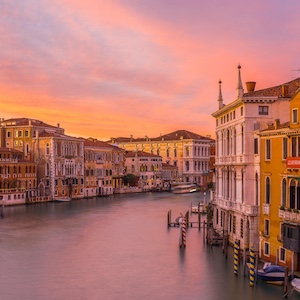
When the Crusaders returned from the Levant, they brought back more than just stories of war; they brought back these “scents of the Saracens.” To a Europe that had forgotten the bathing rituals of the Romans, these distilled floral waters felt like magic. The demand they created in the markets of Venice and Marseille would eventually lay the foundation for the French perfume industry we know today.
Power, Politics, and Poison: The Rise of the French Perfume Capital
As the trade routes shifted from the dusty overland paths of the Silk Road to the bustling maritime ports of the Mediterranean, the epicentre of the perfume trade found a new, unlikely home: the leather tanneries of France.
The Italian Catalyst
The story of the European perfume trade is inseparable from the marriage of Catherine de’ Medici to the future King Henry II of France in 1533. Catherine arrived from Italy, the then-leader in refined cosmetics, bringing with her a personal perfumer, René le Florentin.
Legend has it that René’s laboratory was connected to Catherine’s apartments by a secret corridor so that his formulas (and perhaps his poisons) could never be stolen. This royal endorsement transformed perfume from a Middle Eastern curiosity into a mandatory accessory for the European aristocracy.
The Stink of Luxury: The Glovemakers
During the Renaissance, the most prestigious trade wasn’t actually perfume: it was leather. However, the 16th-century tanning process involved incredibly foul-smelling substances like urine and animal fats. To make high-end leather gloves wearable for the nobility, artisans in Grasse, a small town in the south of France, began “scenting” their leather with local oils.
This gave birth to the powerful Glovemakers-Perfumers Guild (Gantiers Parfumeurs). For a time, you couldn’t legally be a professional perfumer in France without also being a master glovemaker. The trade was no longer just about bulk resins; it was about artisan craftsmanship and the branding of “French Luxury.”
Grasse: The Silicon Valley of Scent
The trade flourished in Grasse because of its unique microclimate, which was perfect for growing jasmine, tuberose, and centifolia roses. By the 17th century, the town pivoted from leather to focus entirely on floral cultivation.
- Trade Protectionism: The French crown realised the economic value of this industry and granted Grasse exclusive rights to the title of “Perfume Capital,” imposing heavy taxes on imported Italian scents to protect the local trade.
- The Court of Louis XV: Known as “la cour parfumée” (the perfumed court), the French royalty demanded a different fragrance for every day of the week. This insatiable appetite turned perfume from a niche craft into a massive engine of the French economy.
The Dark Side of the Trade
In this era, perfume and politics were dangerously intertwined. Fragrance was used to mask the smell of disease (as the plague still loomed in public memory), but it was also a tool for assassination. “Poisoned gloves”, known as leather treated with arsenic or cyanide and heavily masked with strong scents like musk or civet, became a terrifying trope in the power struggles of the French and Italian courts.
The Industrialization of Desire and the Synthetic Revolution
By the 19th century, the perfume trade was at a breaking point. The global appetite for luxury was growing, but the traditional trade routes were limited by nature. To produce just one kilogram of Bulgarian Rose oil, merchants needed to harvest and process roughly four tons of petals. Fragrance remained a treasure for the ultra-wealthy because the cost of “natural” trade was simply too high.
Then, the laboratory changed everything.
The Death of Distance: The Rise of Synthetics
The late 1800s saw a scientific explosion that decoupled the perfume trade from the harvest. In 1868, the first synthetic fragrance molecule, coumarin (which smells like freshly mown hay), was created in a lab. This was followed by vanillin and synthetic musks.
For the first time in history, a merchant in Paris didn’t have to wait for a ship from the East Indies to arrive with expensive pods or animal glands. They could manufacture the scent in a factory. This shift did two things:
- Democratisation: It lowered the price of perfume, allowing the middle class to participate in a trade once reserved for kings.
- Creative Freedom: Perfumers were no longer “translators” of nature; they became “composers” of scents that didn’t exist in the wild.
The Birth of the Modern “House”
As the 20th century dawned, the focus of the trade shifted from the source of the ingredients to the brand on the bottle. This was the era of the great perfume houses like Guerlain, Coty, and eventually Chanel.
In 1921, Coco Chanel released No. 5, a fragrance that famously used a heavy dose of aldehydes (synthetic compounds). This wasn’t just a new smell; it was a new business model. The trade was no longer about the raw weight of Frankincense or Myrrh; it was about marketing, bottle design, and the “lifestyle” of the brand. Perfume had moved from the Silk Road to the department store window.
The Global Supply Chain Today
Even though we use synthetics today, the trade of high-end naturals still follows ancient footprints, but with modern precision.
Madagascar remains the heart of the vanilla trade.
Haiti provides the world’s most sought-after vetiver.
India continues to export massive quantities of jasmine.
The difference today is sustainability and ethics. The modern perfume trade is less about discovering new lands and more about protecting the lands we have, ensuring that the communities in Calabria or Grasse can continue a tradition that has survived for over a thousand years.
Conclusion: A History in Every Drop
When you spray a perfume today, you are interacting with a map of human history. You are smelling the chemistry of the Persian Golden Age, the craftsmanship of French glovemakers, and the industrial genius of the 19th century. The trade of perfume has always been more than just a search for beauty; it has been a search for connection, taking the rarest pieces of the earth and carrying them across borders to share with the world.
If you enjoyed reading Perfume Trade History: How the Silk Road Scented the World, then why not read A Dawn A Day Honesty is the New Luxury here
.Cent Magazine London. Luxury Mindset
Follow us: